Table Of Content
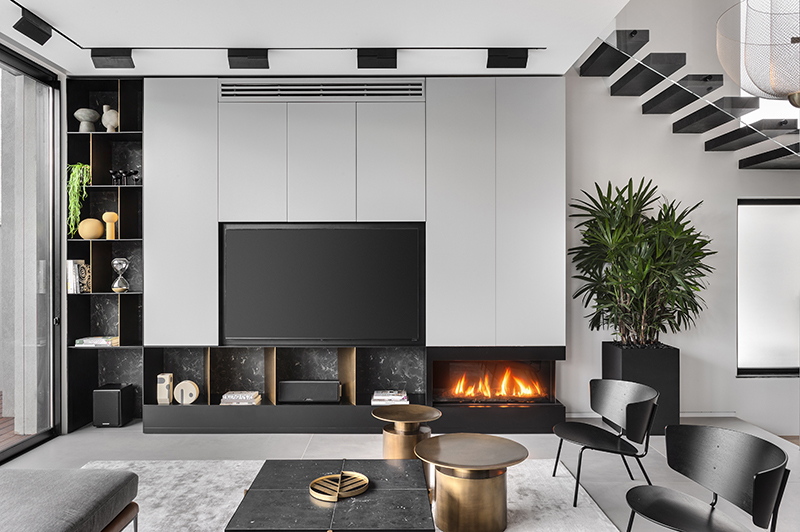
This can be risky and quickly tacky if not done correctly, so to avoid any mishaps, do keep in mind that less is more with bold colors. Balance is key and these bright colors should remain accents to a very neutral and simple overall look. Modern design refers to a specific style from the mid-20th century, characterized by clean lines and minimalism. Contemporary design is ever-evolving and represents current aesthetics, embracing a wider range of styles and influences, often including modern elements but not limited to them. Incorporating natural elements is another important aspect of contemporary design. We often see the use of wood, stone, and other organic materials in everything from flooring to furniture, which helps to create a seamless connection between the interior and the exterior environment.
52 Best Online Furniture Stores to Bookmark Now (2024) - Architectural Digest
52 Best Online Furniture Stores to Bookmark Now ( .
Posted: Wed, 10 Apr 2024 07:00:00 GMT [source]
Similarities & Differences Between Modern vs Contemporary Interior Design
His prairie style open-plan architecture was an antidote to the closed-in spaces of the Victorian era. Successful modern interior design shows off the concrete, steel, and glass craftsmanship. This means the framework of furniture is often celebrated and left exposed.
Contemporary Interior Design Inspired by the East
Modern design references a specific design movement, whereas contemporary design is a more general term describing what's on-trend now. While both appreciate minimalism, clean lines, and well-defined shapes, contemporary design feels much colder and starker than modern design. A contemporary bathroom focuses on sleek lines and bare surfaces, particularly with no clutter. Chrome is king in a contemporary-style bathroom, although other materials, like quartz, concrete, and light-colored wood or bamboo, work well. Also, contemporary style highlights contrasts in color like white and black or texture like soft wood tone contrasted with metal or glass. Today's contemporary style is appropriate for offices, stores, loft apartments, and traditional homes.
Natural Curves
Birthed by the German Bauhaus schools of design and the Scandinavian design emphasis on simplicity and function, the modern decor style is very old. In general terms, modern decor is linked to the beginning through the middle of the 20th century—the 1900s through the 1950s. On the other hand, design elements of contemporary decorating have the license to be more sculptural.
As a result, many buildings of the modern era have big windowpanes, and little to no window dressing, letting in much needed natural light. Modernism sprouted in the late 1800s as a reaction to overly ornate and artificial interiors, architecture and art. Meanwhile, by the 1930s, this movement that valued function above form truly bloomed. No-nonsense industrial materials took the lead in a time where society clung to the artificial.
Contemporary Interior Design

If you, too, are a fan of contemporary looks, use this post as a guide for how to re-create this style in your own interiors. All it takes is a few simple steps.What do you think of contemporary design? The contemporary interior design style stands out as a timeless and sophisticated choice. “Even though contemporary interior designs feature straight lines, curves are a current trend that will naturally fall into this design style,” says Adrika. They both emphasize clean lines and uncluttered spaces, and feature a neutral color palette as the foundation.
Midcentury Modern
Utilizing sleek lines and neutral colors, contemporary style is often characterized as stark, and it does currently look quite similar to modern style. “The color palette has more contrast and there is a greater emphasis on minimalism with more open space,” says Best. Scandinavian design has played a significant role in shaping contemporary design. Originating in the Nordic countries, this style emphasizes minimalism, natural materials, and a connection to nature. Scandinavian or “Scandi” design brings warmth to contemporary spaces, through the use of light colors, soft textures, and organic elements. Incorporating Scandinavian elements into contemporary design adds a touch of cozy comfort to the modernist aesthetic.
9 Home Décor Trends on Their Way Out, According to Design Insiders - Martha Stewart
9 Home Décor Trends on Their Way Out, According to Design Insiders.
Posted: Mon, 06 Nov 2023 08:00:00 GMT [source]
Rustic interiors focus on rugged, natural, and raw elements to create a space that exudes refined roughness. Think exposed architecture, organic textiles, antique furniture, and so on. Hence, rustic interiors often look aged and lovingly “used”--a far cry from contemporary-style rooms that feature modern furniture, polished wood, and–for some homes–a more luxurious feel. For more information on this style, take a look at our article covering what rustic interior design style is. Whether you’re new to the world of interior design or have been an aficionado for years, sometimes it can be hard to tell design styles apart. Admittedly, there is a lot of crossover between aesthetics and nowhere is there more crossover than with contemporary design.

In fact, Scandinavian design, with roots in modernism, feature heavily in present-day designs. Of course, one of the most important pieces to have is a minimalist coffee table. It’s the central point of your living room and will serve as the accent for your upholstery. Most contemporary designers prefer sleek coffee tables with metal legs and a wooden top.
Yet, we still cannot pin this young style to one specific esthetic as every day brings another spin on current trends. Pinning modern interior design to one definition is challenging as it spanned for more than a century. After all, the founding modernist movement rejected what was artificial. And as a result, homes and public spaces were no longer filled with over embellishments.
Colorful, fussy prints should be avoided since they confuse the plain space that is key to a contemporary-style home. Think about a zebra-print pillow on a black leather chair, a large leopard-print pillow thrown on a plain floor, or a bold, heavily textured striped rug to anchor solid-colored, sleek furniture. Generous use of metal, stone, and opaque or clear glass works well in a room decorated in a contemporary style.
First and foremost, contemporary design embraces uncluttered spaces. The emphasis is on open floor plans, clean lines, and a general lack of clutter. This gives a sense of airiness and calm, allowing the eye to focus on beautiful architectural features or standout pieces of furniture. "Symmetrical layout, clean lines, and tonal colors modernized the space dramatically," she says. And more important, once you sharpen your knowledge of interior design styles, you can have fun with it.


No comments:
Post a Comment